On 19 August, Stripe agreed to acquire OpenRouter.
To me, the deal reveals what is happening underneath AI.
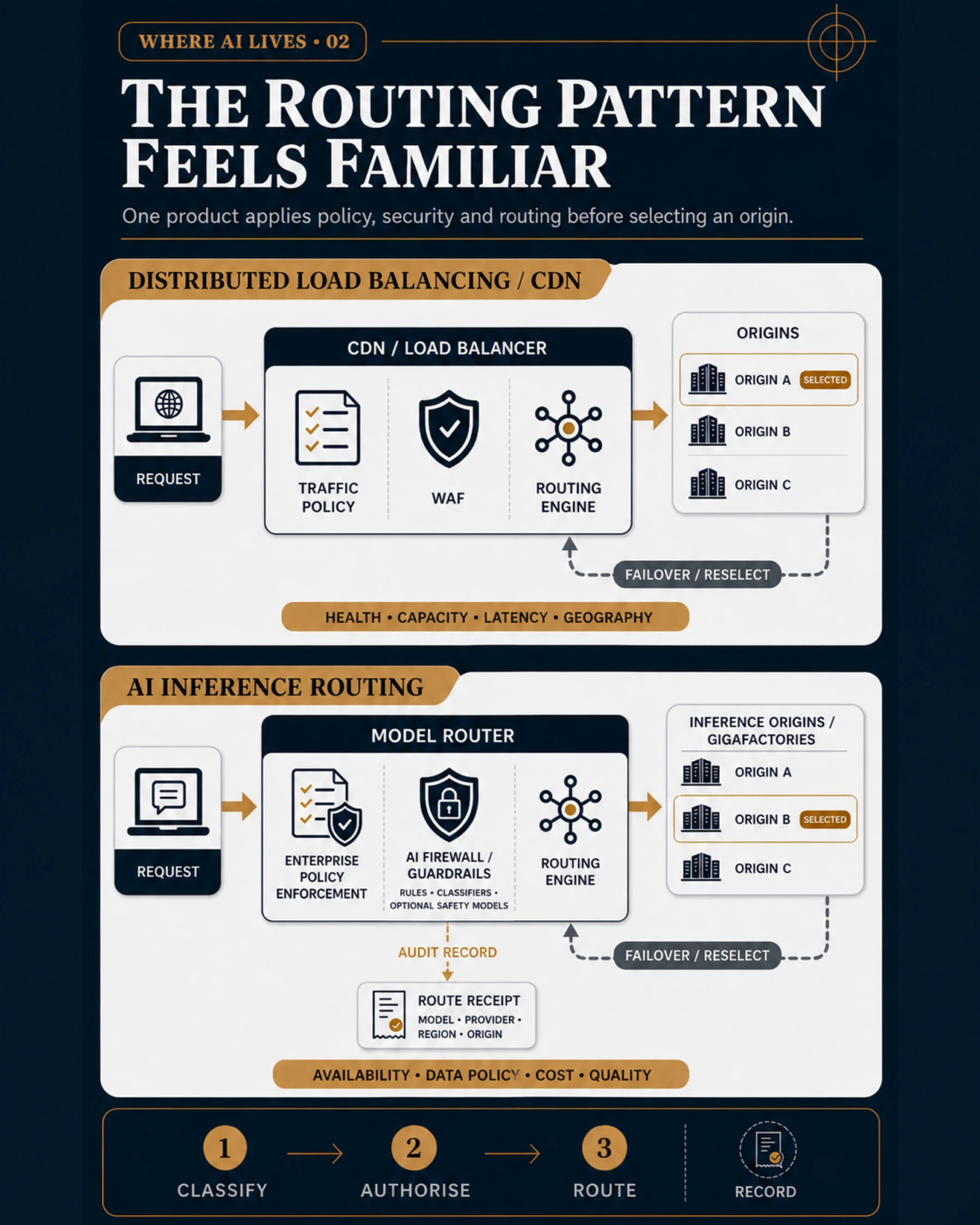
I used CDNs and WAFs for years and followed how they evolved. I see the same pattern in model routers. We are watching the internet being rewritten for a new kind of consumer: the agent.
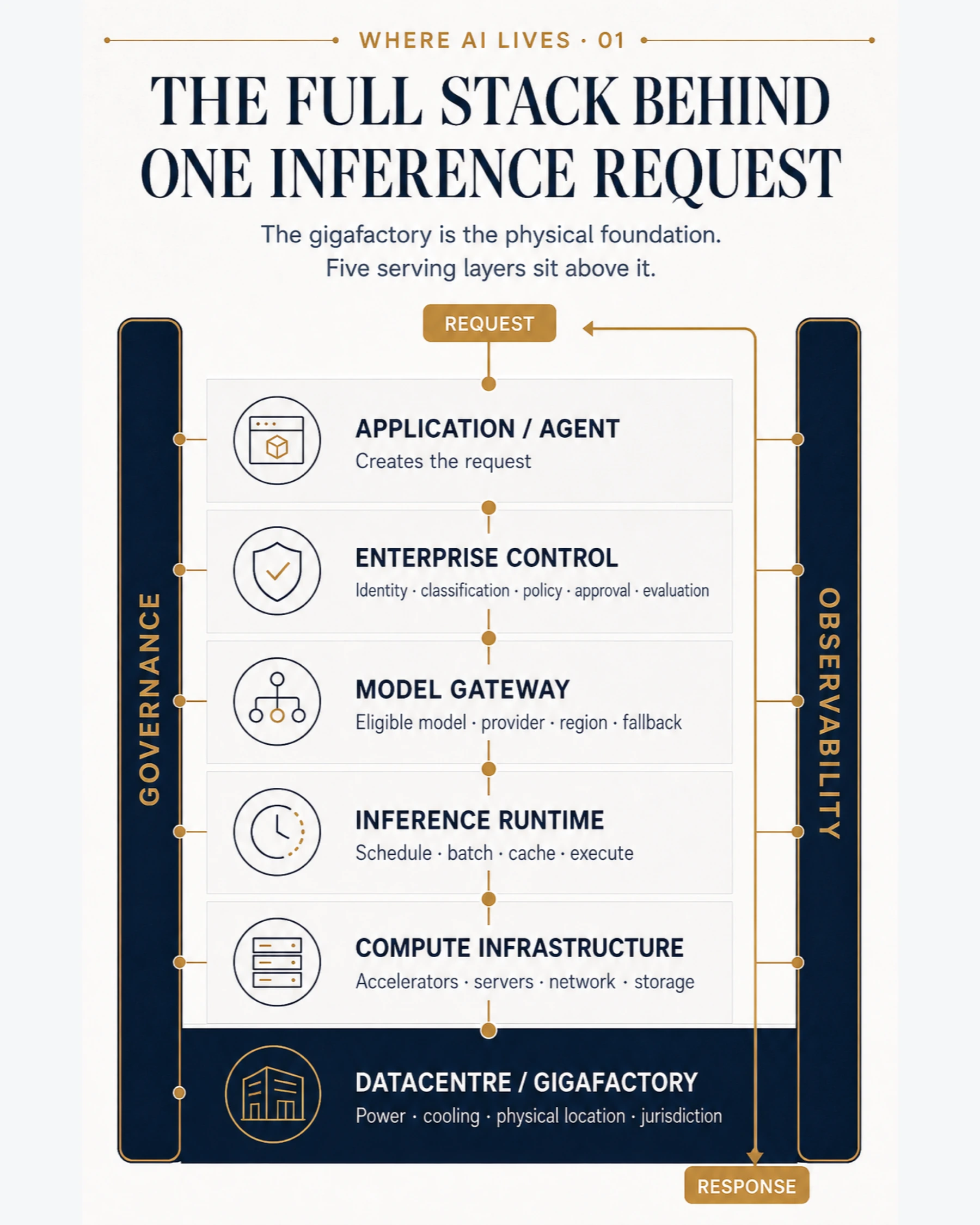
An agent's request may target a model, provider, version and region, backed by a datacentre or gigafactory.
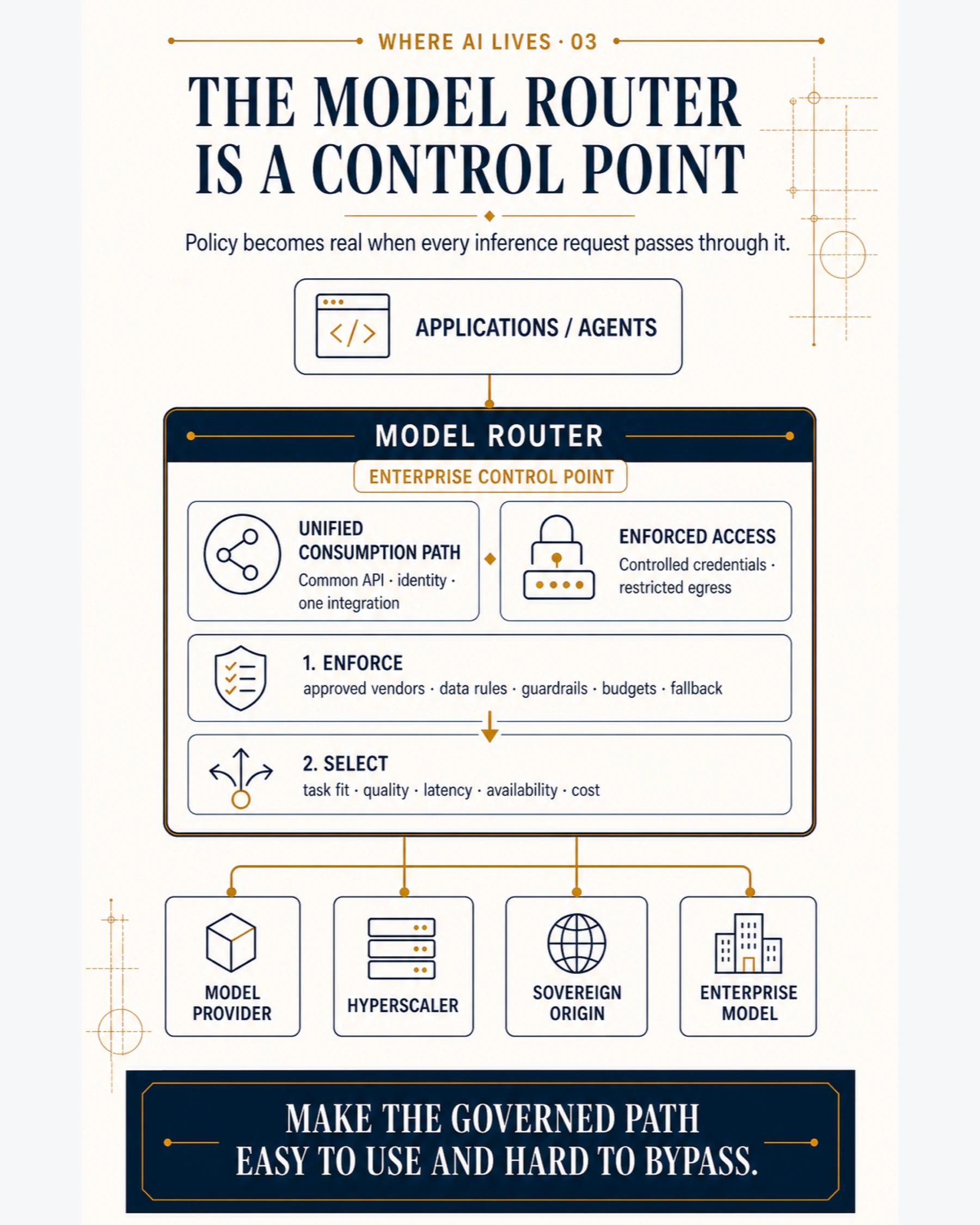
OpenRouter makes the layer visible. Its interface spans more than 400 models and combines provider choice, observability, cost management and routing.
Its value comes from concentrating control. A unified inference interface makes the governed path easy to use. Controlled credentials and egress prevent bypass. Within eligible routes, the router selects the model and provider that meet the task's quality, latency and availability needs at an acceptable cost.
This role becomes more important as more models become capable enough for production. Open-weight models widen deployment choices beyond hosted APIs to hyperscalers, sovereign providers and enterprise infrastructure. Routing across that growing set is becoming a capability in its own right.
That reach helps explain the market. Stripe is moving into the layer through OpenRouter, while Palo Alto Networks acquired Portkey. Cloudflare and Akamai are approaching it through traffic management, security and distributed inference.
I have seen this pattern before. CDNs expanded from content delivery into WAF, API gateways, edge compute and Zero Trust. Model routers are now expanding from model selection into security, policy, observability and cost control.
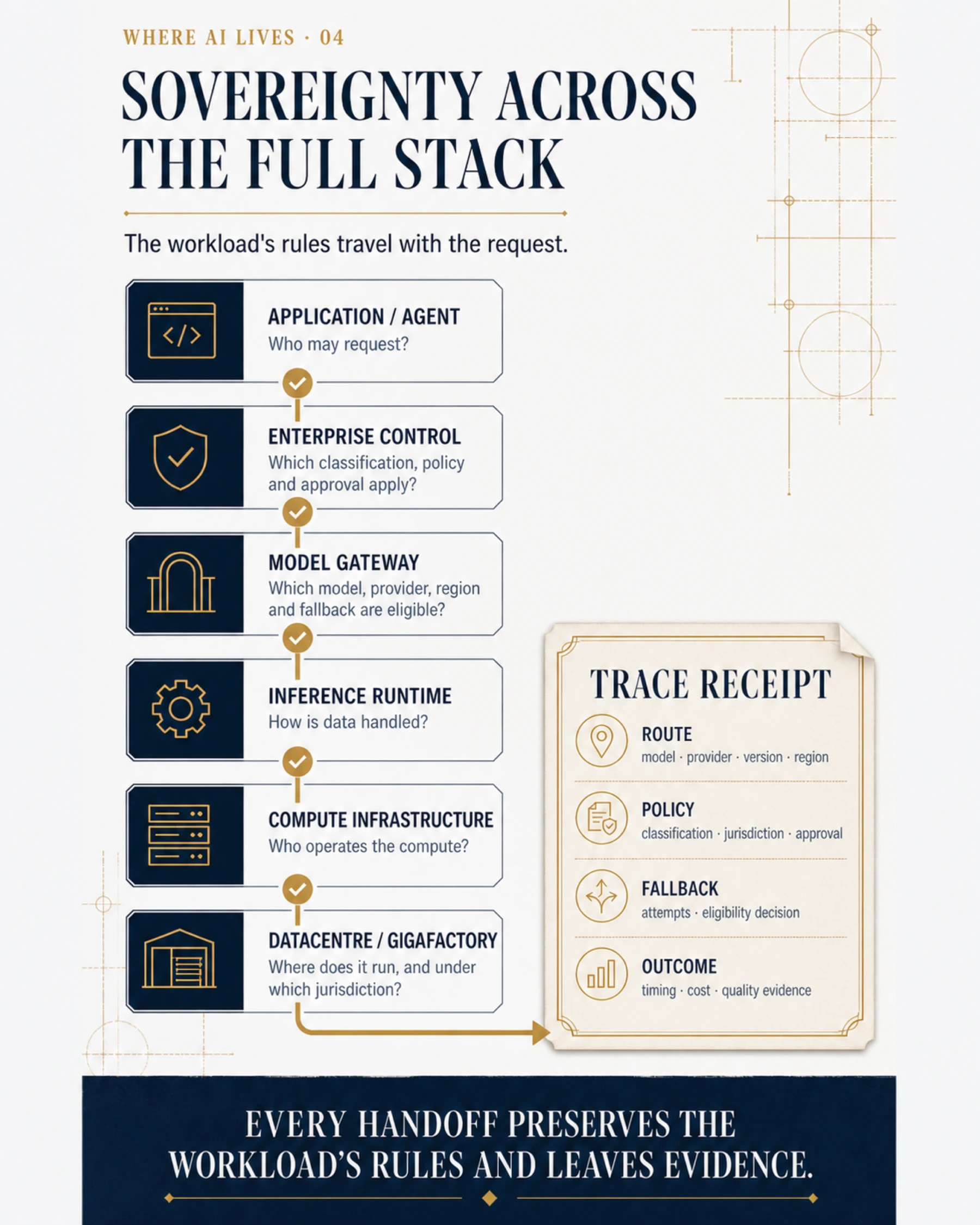
Router independence depends on who owns its identity, billing, policy, telemetry and route-selection logic. Can the organisation self-host or replace it? Can it prove why one origin was selected over another?
Model choice matters. The strategic asset is the path that makes the choice and leaves the evidence.
For Europe, a gigafactory is not enough. Putting identity, policy, billing and routing at the model-router layer makes sovereignty a full-stack question.
#WhereAILives #AIInfrastructure #CloudSovereignty